Downers Grove, IL · Garage Door Service
Downers Grove homes span 1938 to 2003 construction, with detached and attached garages built to different standards. Here's how that split affects your door.
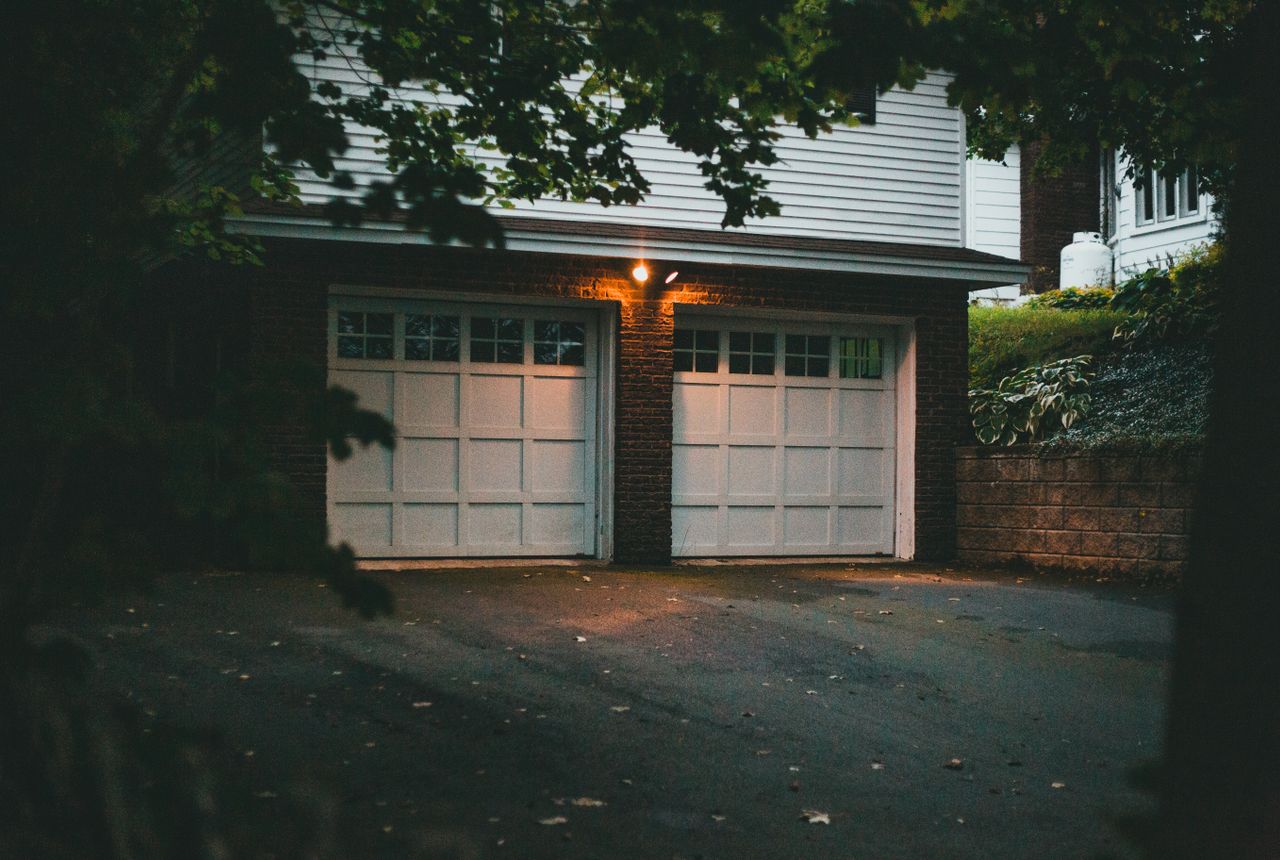
Walk a few blocks in Downers Grove and you'll see both: a detached one-car garage sitting back from a 1940s bungalow, and an attached two-car garage built onto a split-level from the 1970s. With housing here built anywhere from 1938 to 2003 and a median build year around 1972, this town never settled into one garage style. That matters more than people think when it's time to fix or replace a door.
A detached garage is its own building. If the door fails, you've got a cold or leaky outbuilding, but your house stays sealed. An attached garage is a room of your house with a big moving panel in the wall. When that door doesn't seal right, the air on the other side of it is the same air near your kitchen or your kid's bedroom.
We see both setups every week, and the fix isn't always the same fix. A worn seal on a detached garage door is an inconvenience. The same wear on an attached garage door, especially one under a bonus room, is a comfort problem and sometimes a moisture problem on the drywall behind it.
This area sits in a cold-moderate climate band, which means real winter cold but not the extremes you'd get further north or in the mountains. For a detached garage, that's mostly a question of whether the door still moves right when the temperature drops - steel contracts, weatherstripping stiffens, and a door that was already a little out of adjustment in October can bind or drag by January.
For an attached garage, the stakes are different. Cold air sitting against a shared wall or a shared ceiling joist pulls heat out of the rooms next to it, and an old or poorly sealed door is usually the biggest gap in that wall. If your attached garage door hasn't been touched since the house was built, and given the median build year here that's a real possibility, you're likely losing more heat through it than through the rest of that wall combined.
We're not going to tell you a new door pays for itself in one winter - we don't have the numbers to back that up, and anyone who quotes you an exact payback figure without knowing your specific setup is guessing. What we can say is that the difference between a sealed and unsealed attached door is noticeable by December.
Most of the stock around here dates to the 1960s and 70s, and detached garages from that era were often built with narrower single-car openings - sometimes just wide enough for the cars of the day. If you've got one of those, your replacement options are already narrower than what's standard now, and that's worth knowing before you fall in love with a door style that comes only in double-wide.
Attached garages from the same period tend to share a wall with a laundry room, mudroom, or bedroom, which is exactly the kind of layout where a bad seal shows up as a cold spot rather than an obvious draft. If a specific room in your house runs cold in winter and it's next to or above the garage, the door is worth checking before you blame the furnace.
One thing we can't tell you from here: whether your particular garage was framed to code standards current at build time or updated since. Homes built early in that 1938-2003 range sometimes had garage-house connections added or altered later, and that history isn't something we can see without looking at the structure in person.
Call about a detached garage door when it's binding, off track, or the opener strains to lift it - none of that gets better with a Downers Grove winter, it gets worse. There's no urgency tied to your house's comfort, but ignoring a hard-to-lift door long enough usually ends in a broken spring or a bent panel.
Call about an attached garage door sooner if you notice cold air, daylight around the edges, or a room nearby that's harder to heat than it used to be. Given how much of the housing stock here is original to the 1960s-70s build wave, an unreplaced attached door on a house that age has had five decades to wear out its seal, and that's worth a look even if the door still opens fine.
We don't do structural work - if the issue turns out to be framing or the wall between garage and house rather than the door itself, that's outside what we handle and you'd want a contractor for the wall itself. But if it's the door, the track, the opener, or the seal, that's ours to fix.
Yes, tell us which when you call. An attached garage door failing means part of your home's exterior wall is compromised, which we treat differently than a detached garage where the only thing affected is the outbuilding itself. It changes how we prioritize the job and what we check while we're there.
Usually not for heating cost, since a detached garage isn't part of your conditioned living space. It can still be worth it if you use the garage as a workshop or want to keep stored items from freezing, but that's a comfort choice, not an energy-saving one the way it is on an attached garage.
If it's attached and original, the door itself may still open and close fine while the seal around it has long since given up. We'd check the weatherstripping and bottom seal before assuming the door is fine just because the motor still works.
Call now or request a free quote - same-day service on most repairs, upfront written pricing.