Downers Grove, IL · Garage Door Service
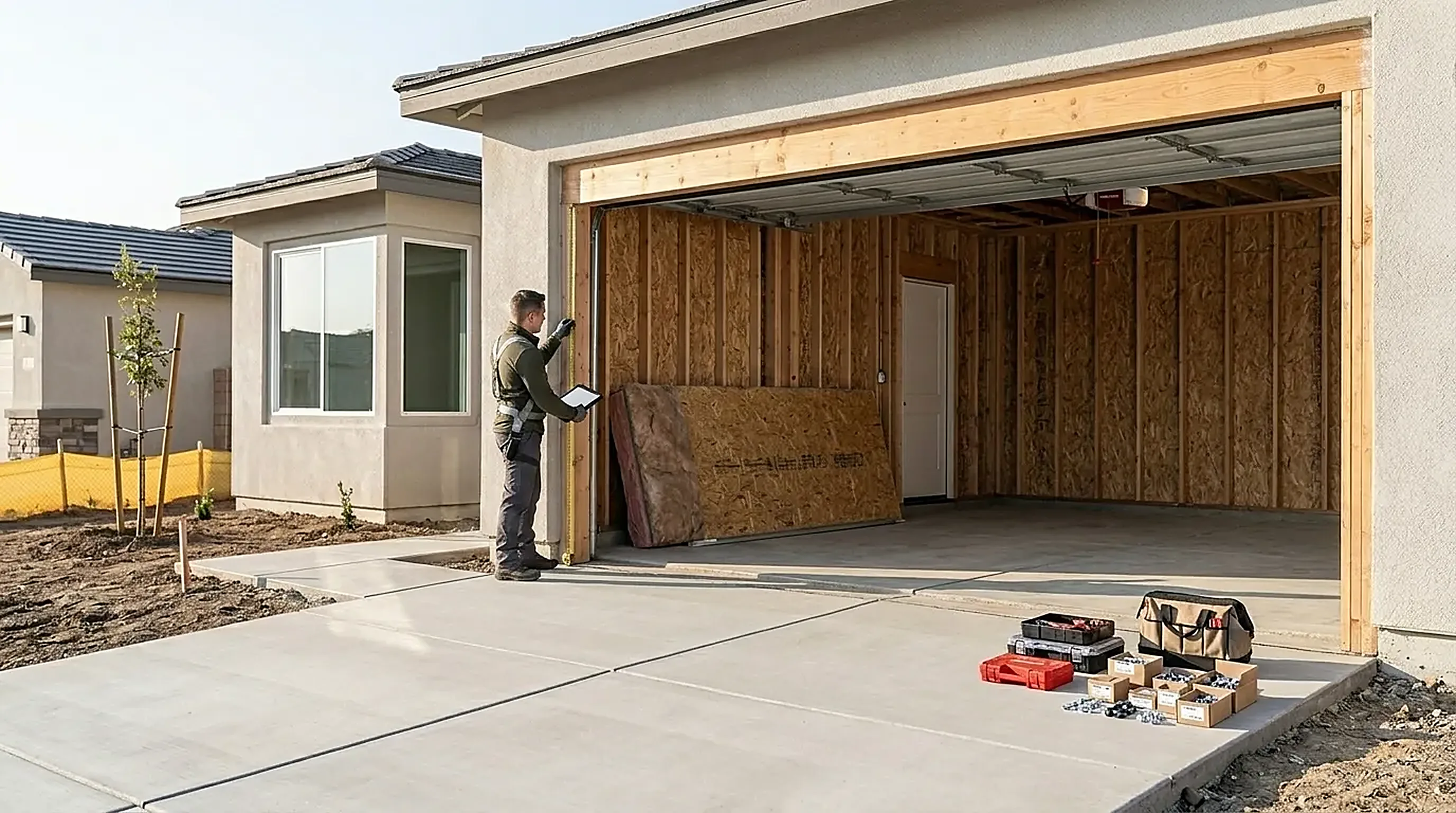
Garage door repair for Downers Grove houses built 1938-2003, most from the 1960s and 70s. Springs, openers, tracks and panels, fixed by people who know the stock.
What We Do
From a snapped spring to a full door replacement - one local crew, upfront pricing.
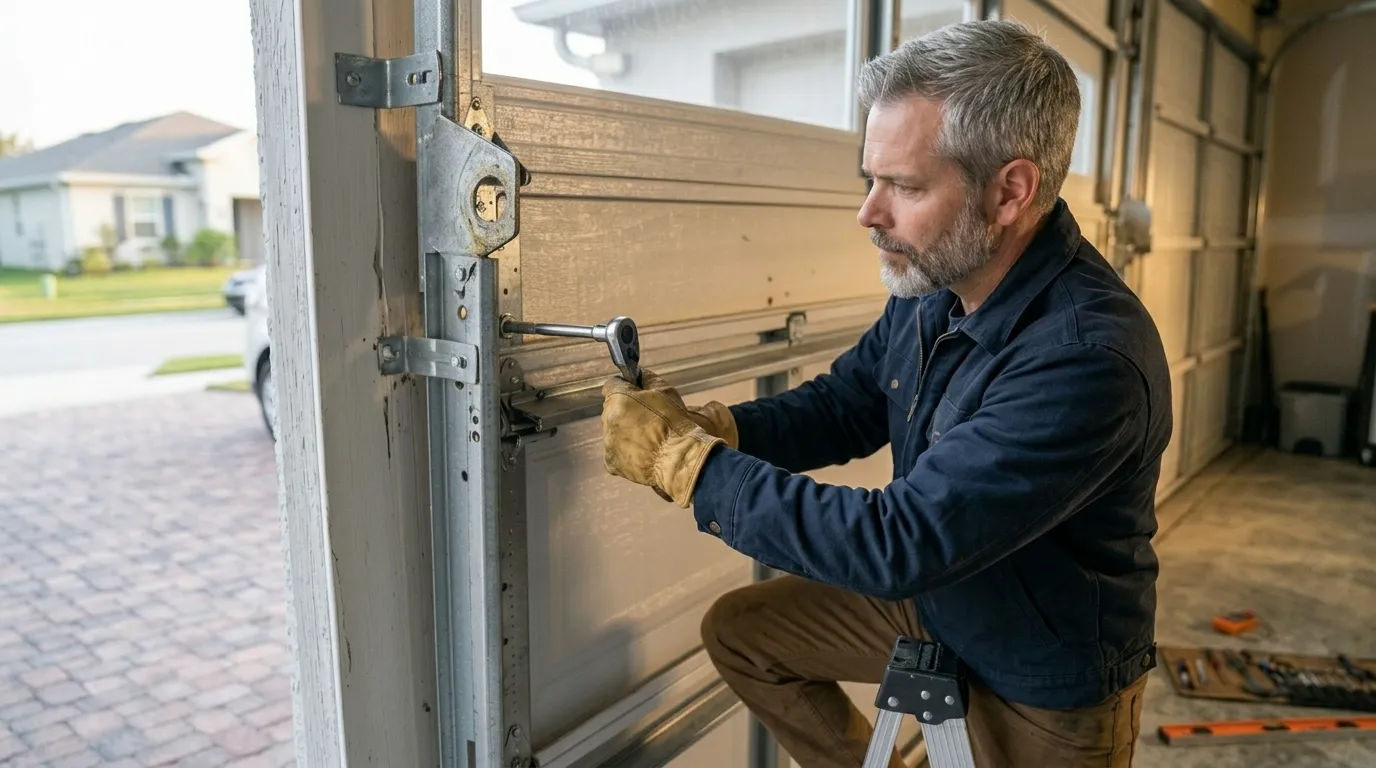
Off-track doors, snapped cables, bent panels and grinding openers - diagnosed and fixed.
Learn more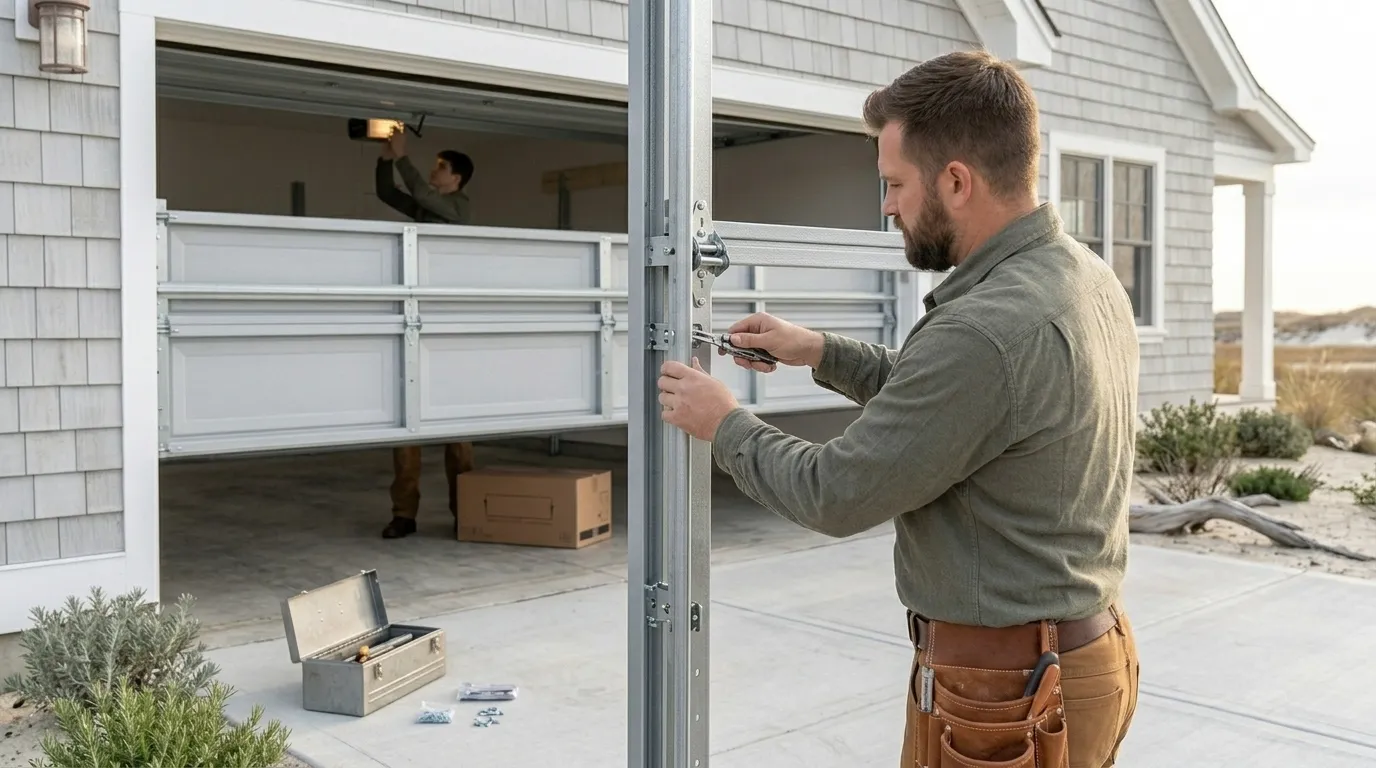
Chain, belt and screw-drive openers, safety sensors and rolling-code remotes.
Learn more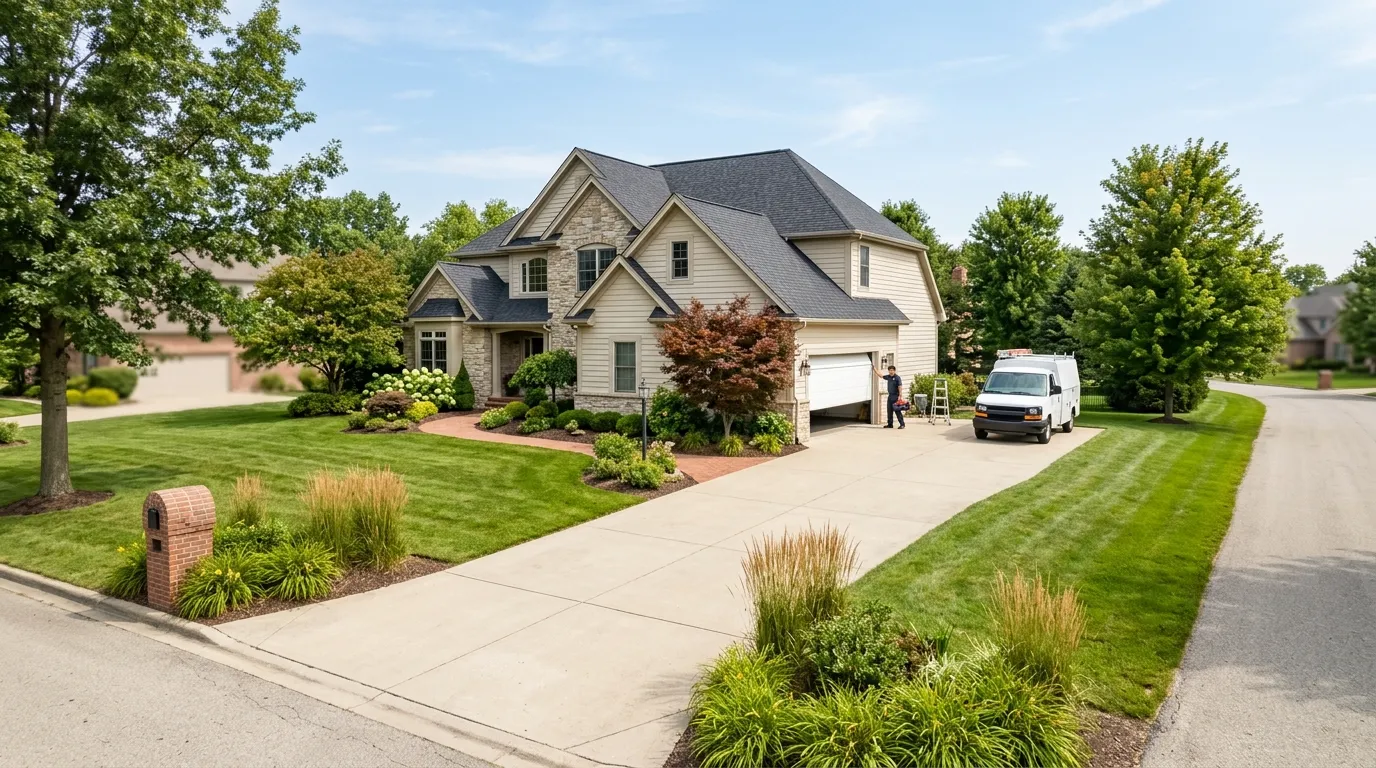
Frayed or snapped lift cables replaced and balanced against the springs.
Learn more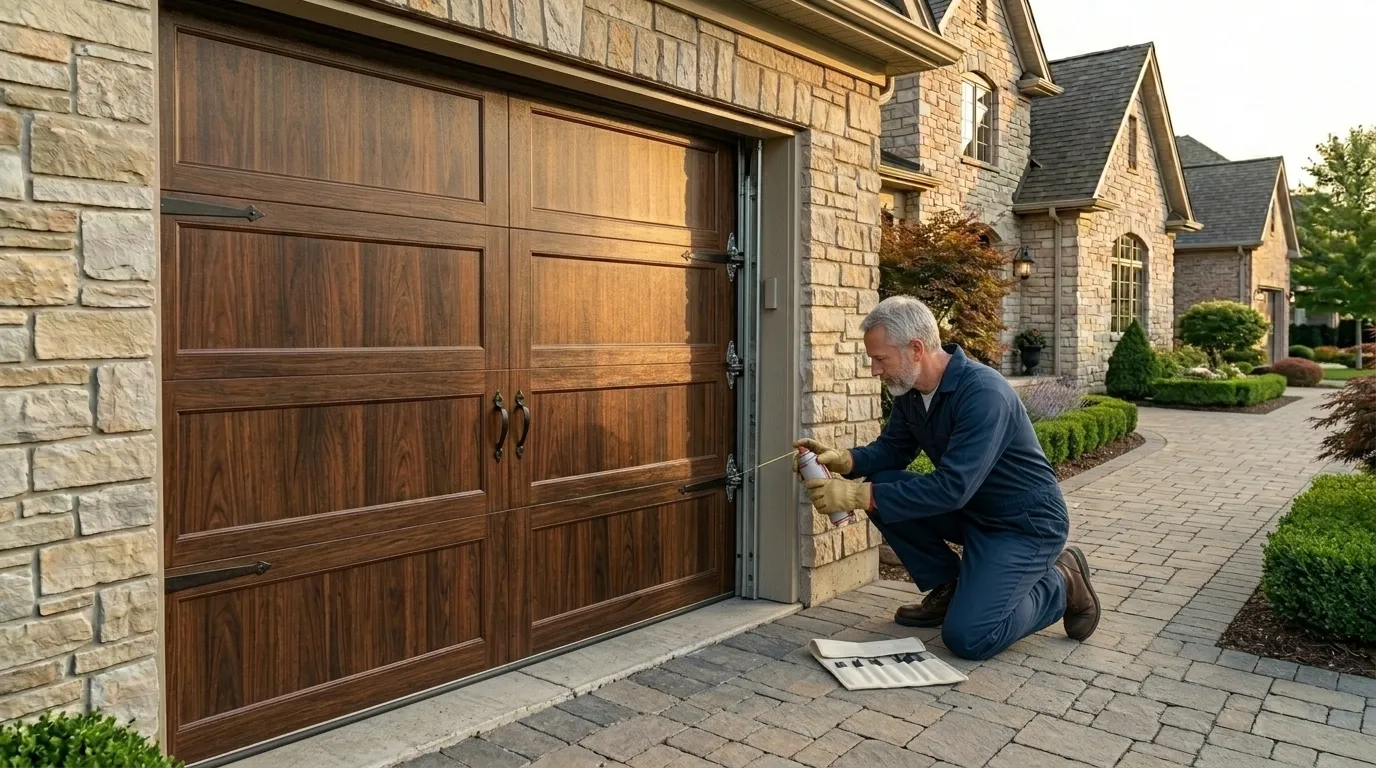
Worn nylon or steel rollers replaced to kill the grinding and shaking.
Learn more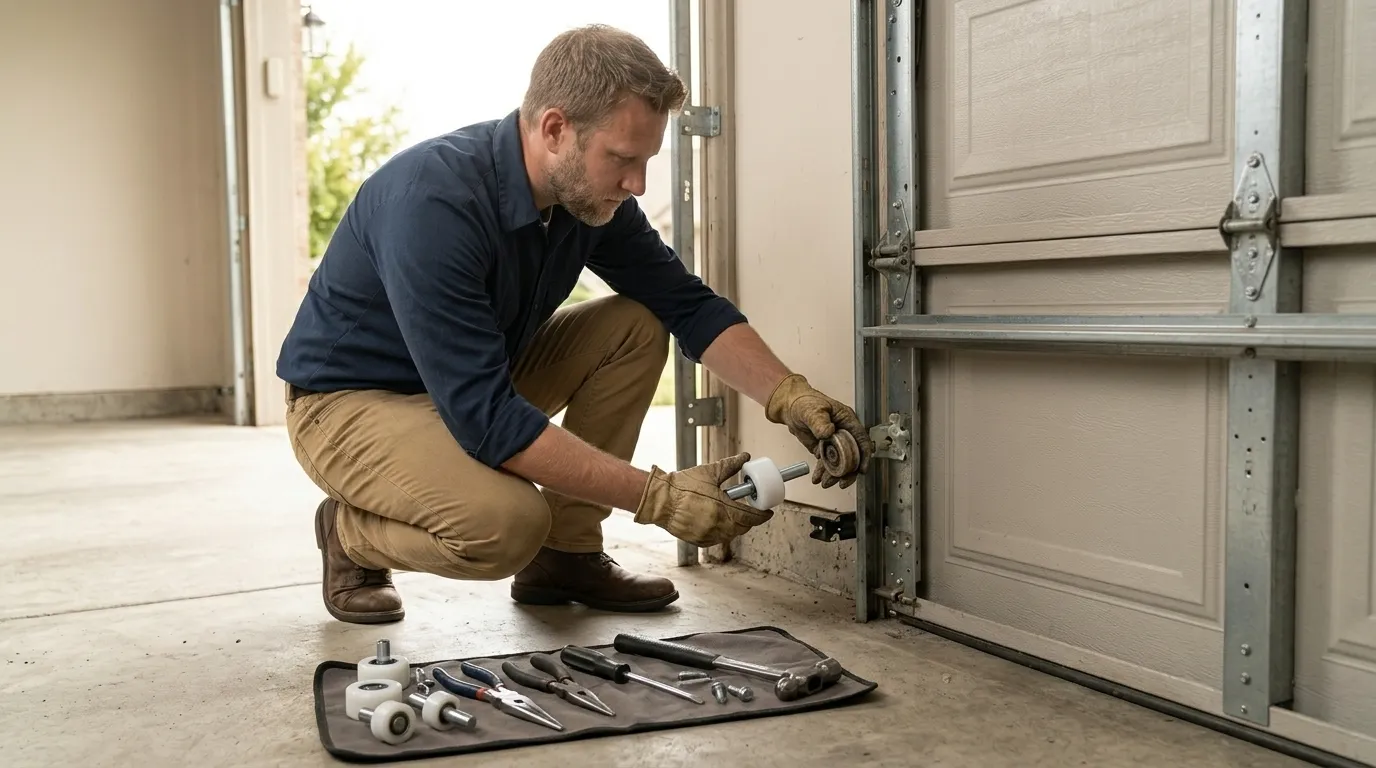
Spring tension, roller and track service that keeps an older door running quiet.
Learn more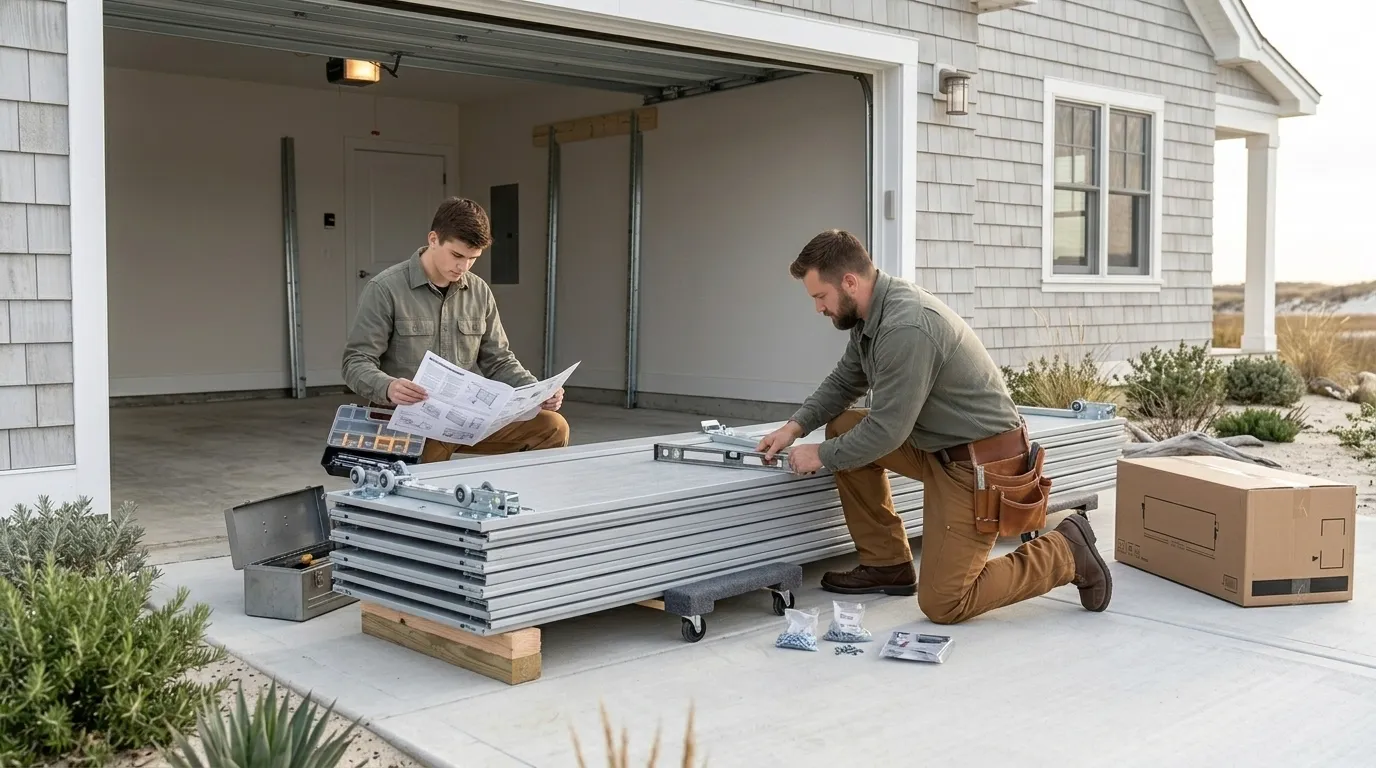
Rolling steel, sectional and high-cycle doors for shops, warehouses and lots.
Learn moreFast Response
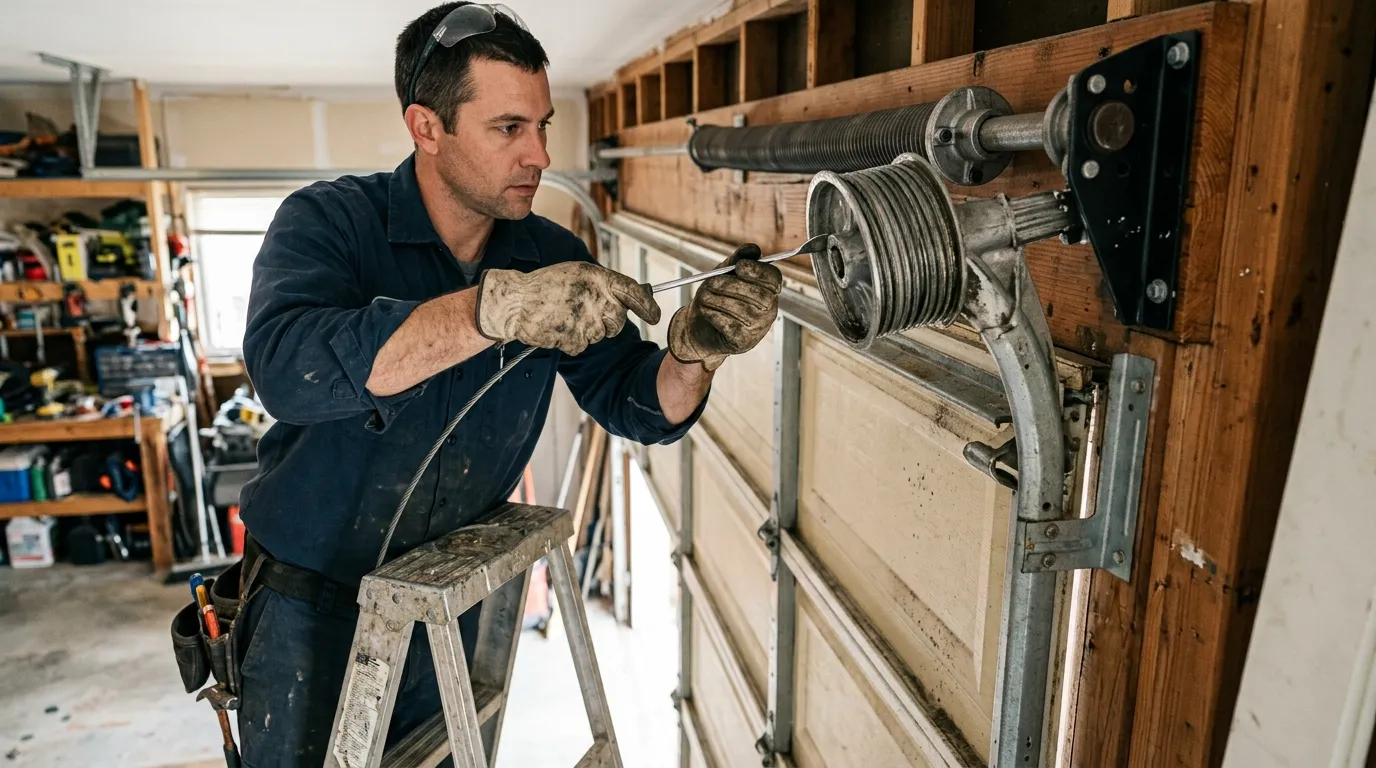
A stuck or broken garage door can't wait. Call before the afternoon and we can usually be out the same day - most repairs are diagnosed and finished on the first visit, with an upfront price before any work starts.
 Same-day service
Why Downers Grove Calls Us
Most repair calls are handled the same or next day - springs and openers don't wait.
Trained techs, proper spring tools, and the insurance to back the work.
A written quote at the door before any work starts - no surprise add-ons.
We diagnose the actual cause, not just the symptom, so the door stays fixed.
Fully stocked trucks mean most repairs are finished on the first visit, no second trip.
A Downers Grove-based team you can reach directly, not a national call center.
How It Works
Call or request a quote and describe what the door is doing - noise, off-track, won't open.
A tech inspects the springs, tracks, opener and panels and gives you a written price first.
Most repairs are done on the same visit; installs are scheduled around you.
Our Work
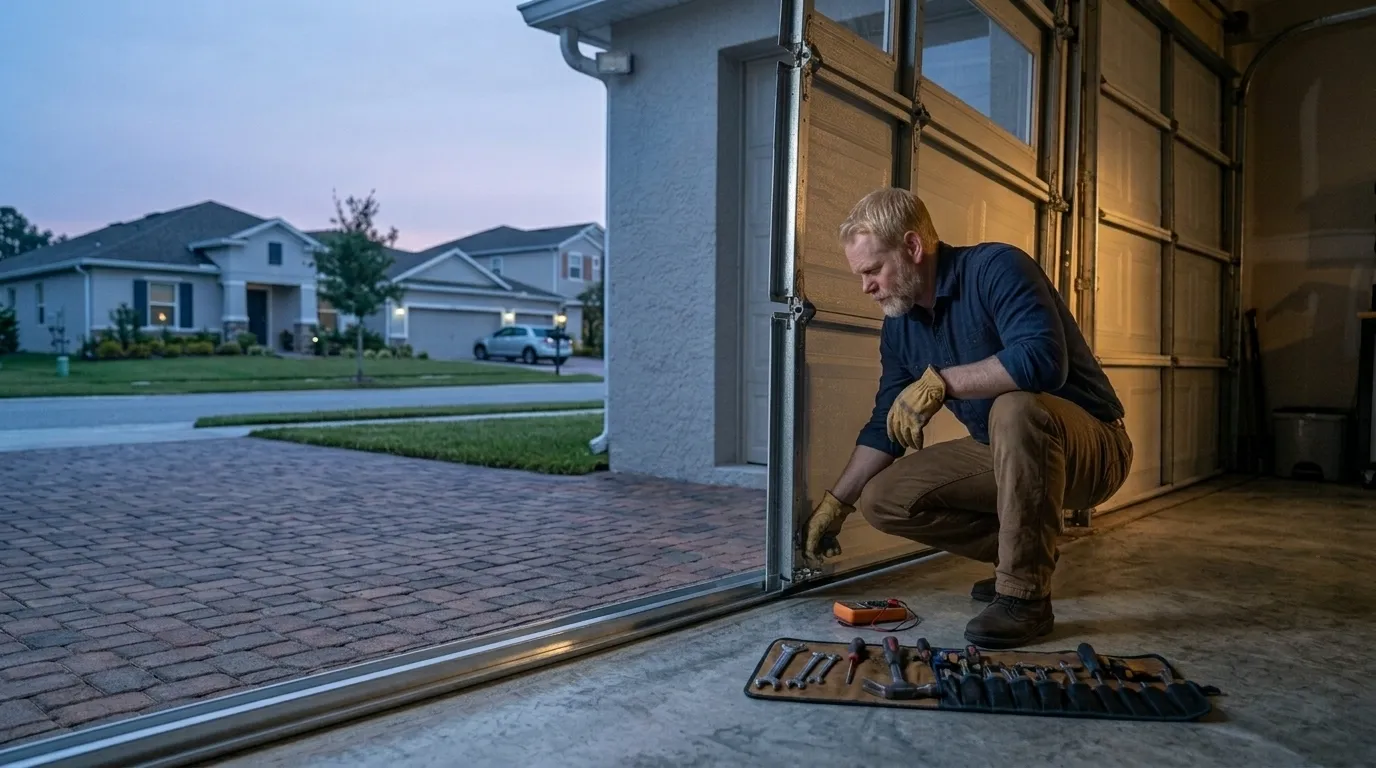
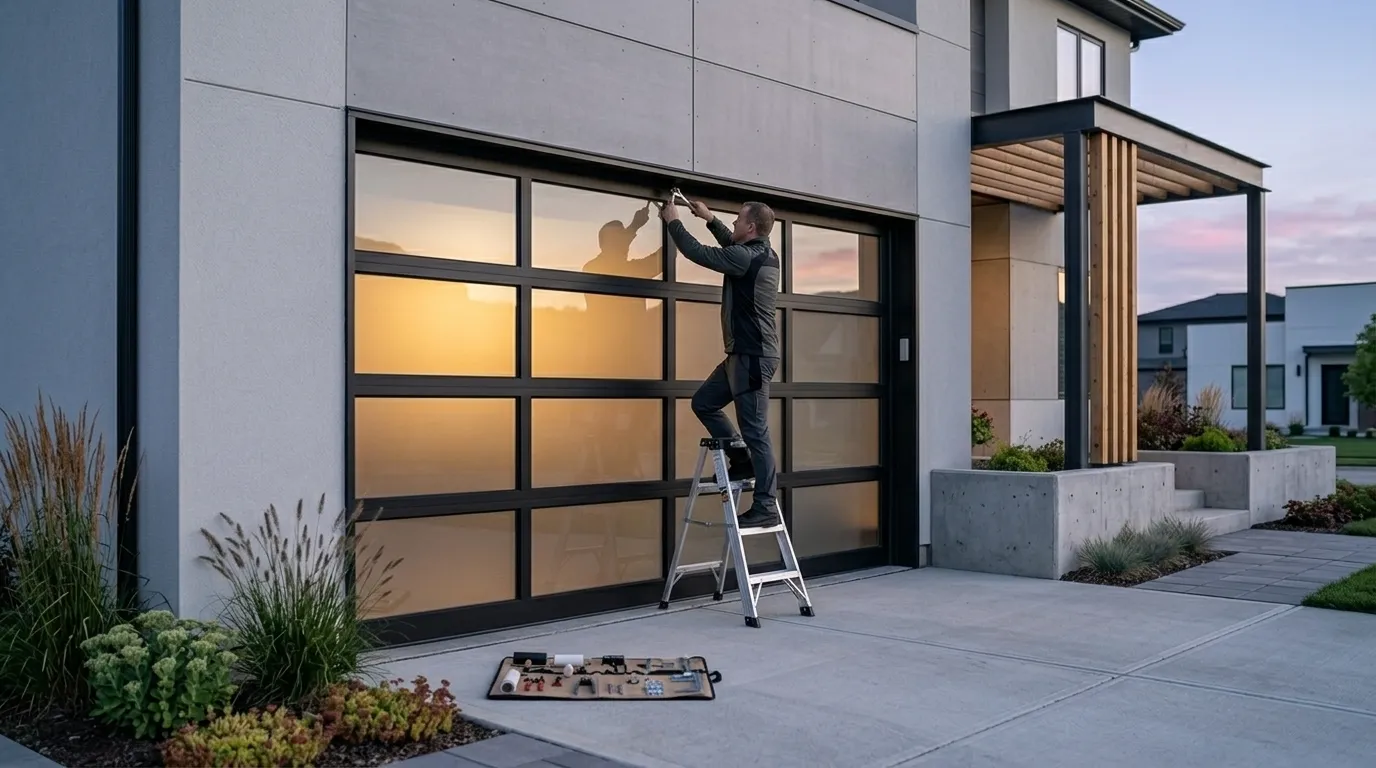
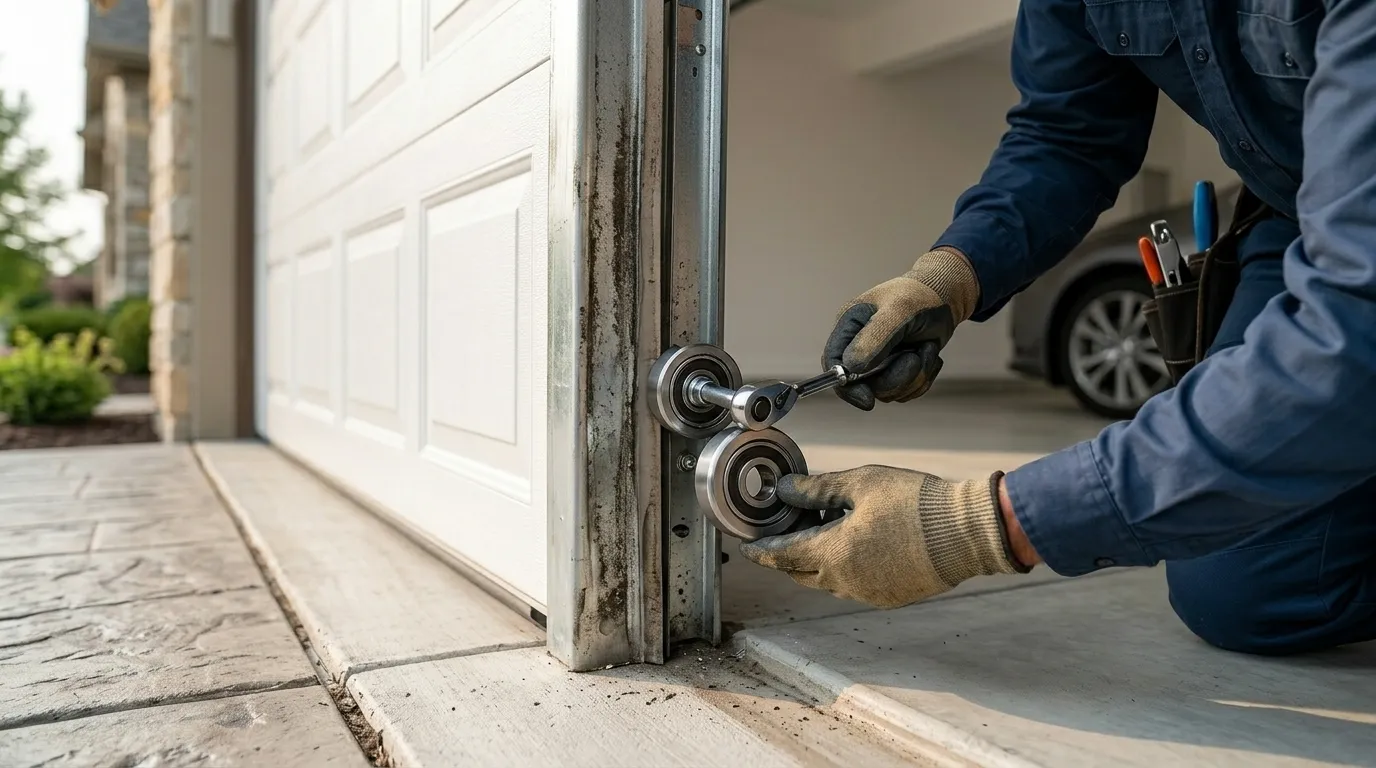
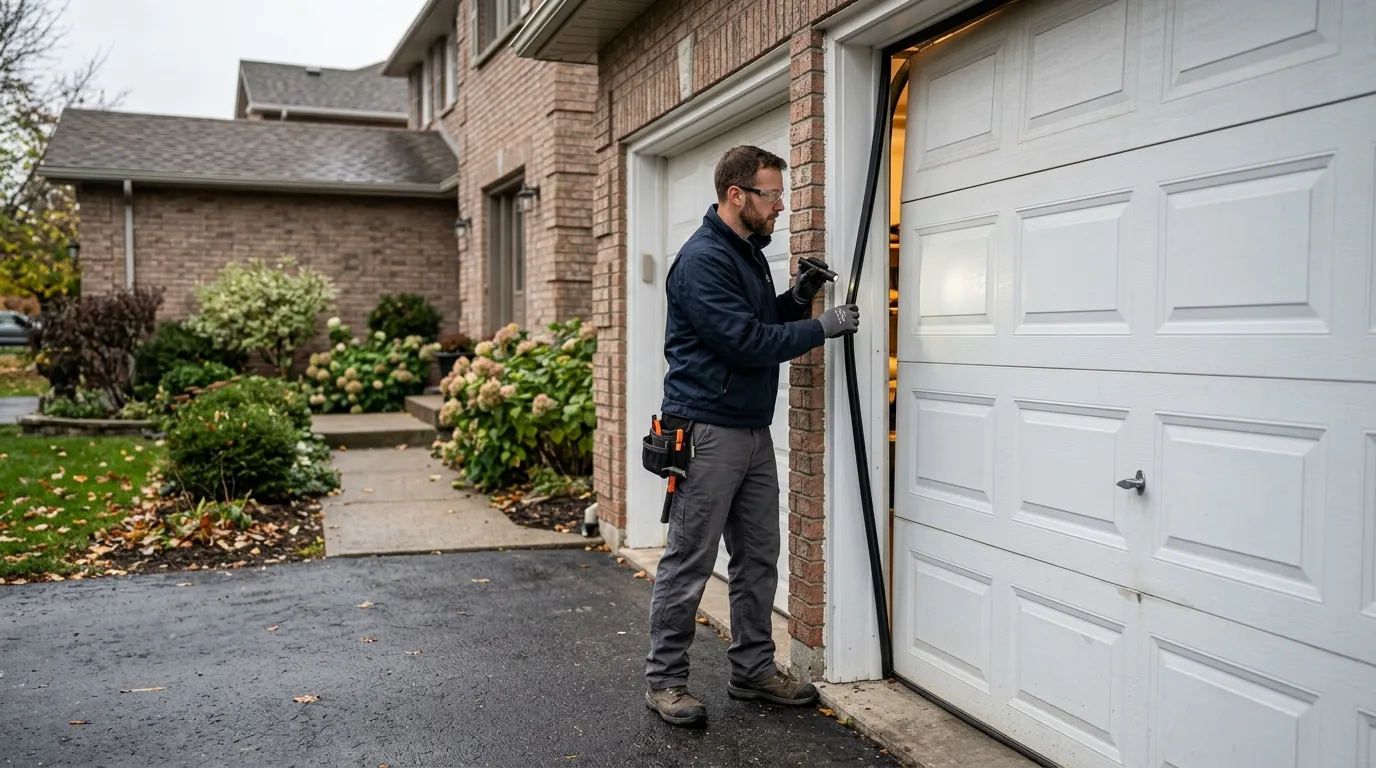
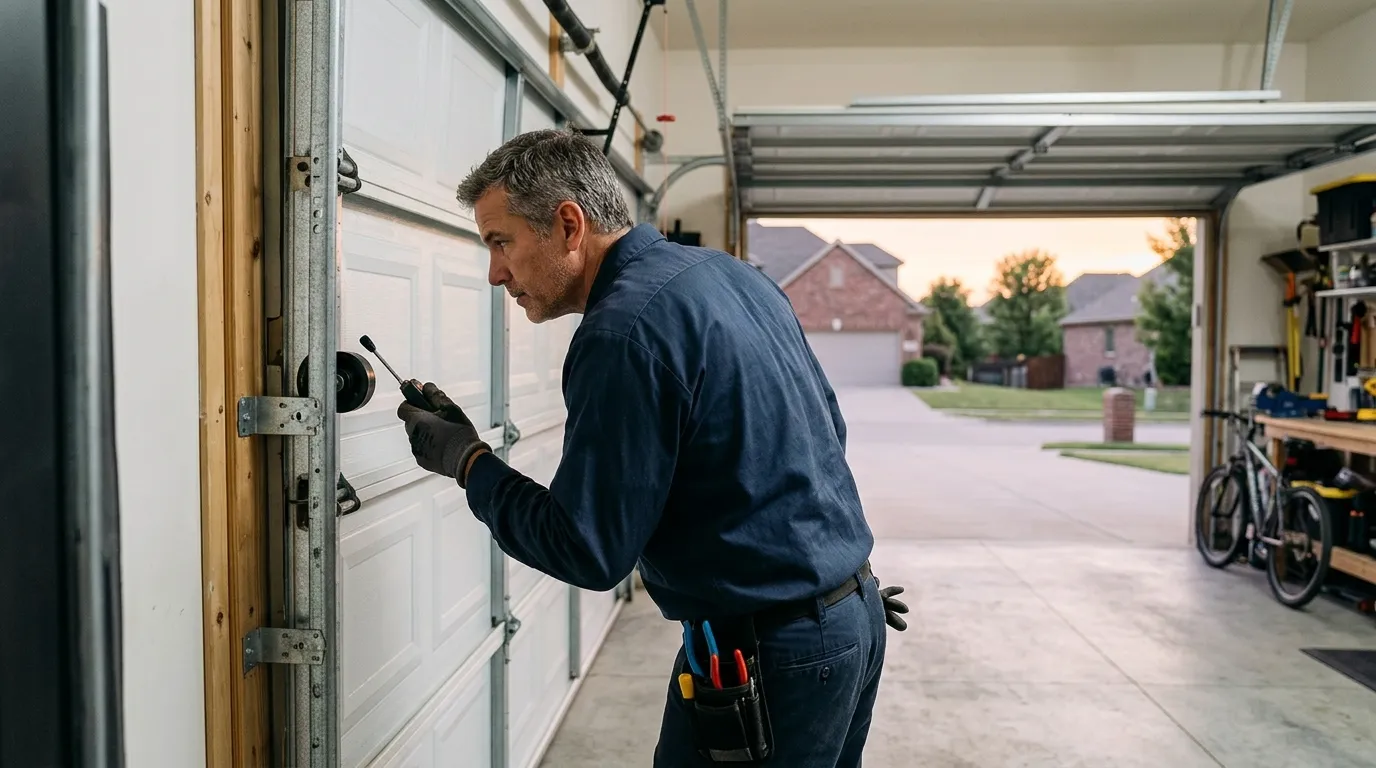
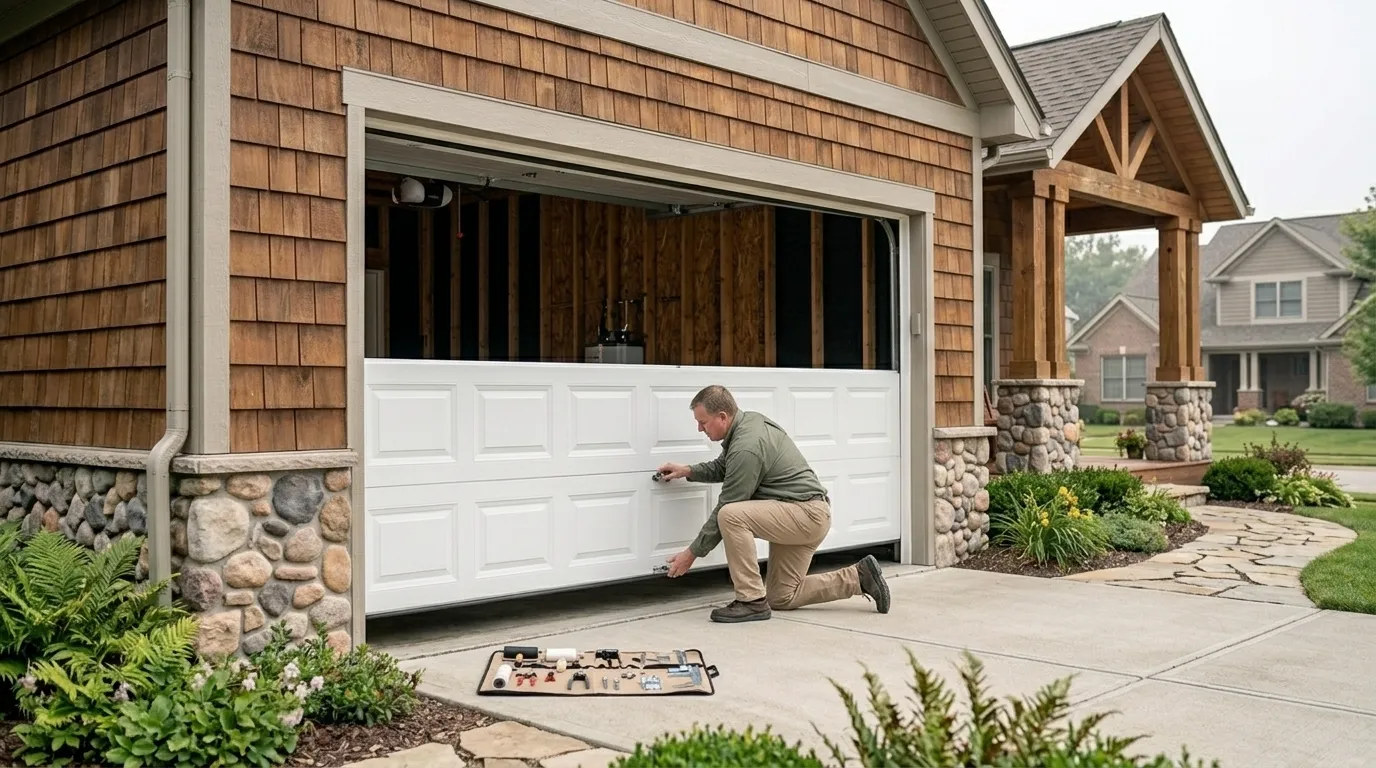
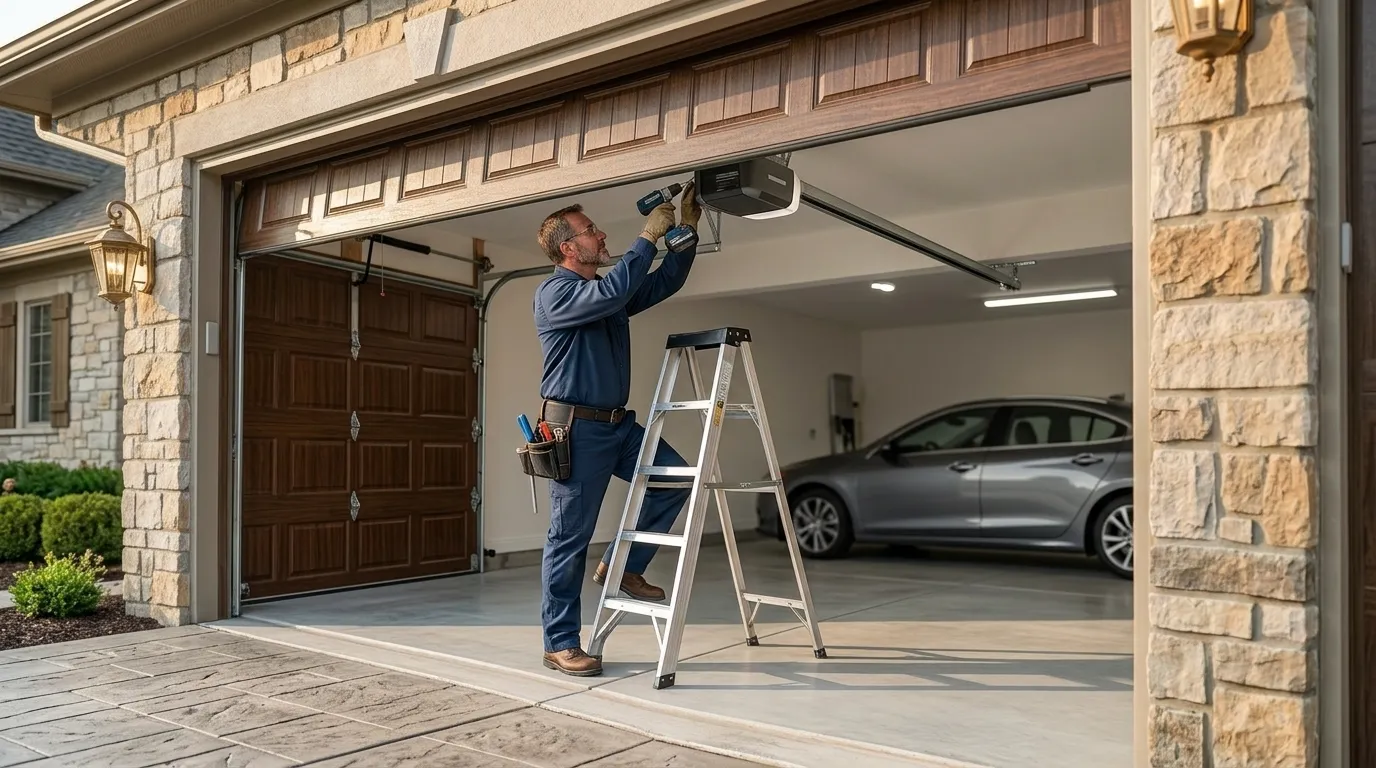
A look at doors, openers and springs we've installed and serviced across the Downers Grove metro.
Local Expertise
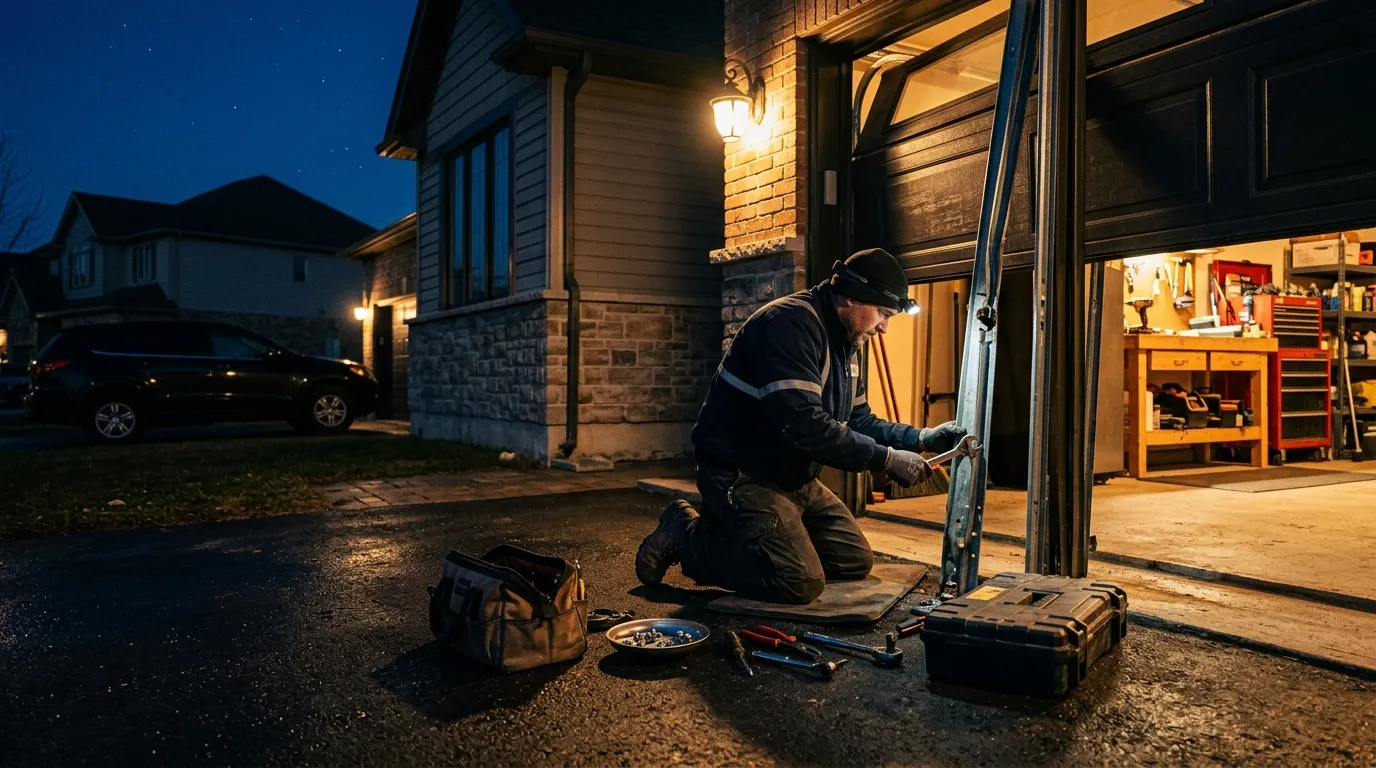
You call, you tell us what the door is doing (or not doing), and we ask a few questions before anyone drives out: does it move at all, is it stuck open or shut, did it make a bang before it quit. That tells us whether we're bringing spring stock, a new opener board, or a full new panel set on the truck instead of guessing at the curb.
Most calls in Downers Grove start the same way: a door that's fine one day and dead the next, usually a torsion spring going in the cold, or an opener gear stripping after years of quiet grinding nobody noticed. We look at the door before we touch it. If it's a $40 part holding up a door that's otherwise sound, we say so. If the track is bent and the drums are worn and the door's original to the house, we say that too, plainly, before any work starts.
We don't upsell a repair into a replacement to pad a ticket. Some doors from this era are worth fixing piece by piece. Some aren't, and we'll tell you which is which before you commit to anything.
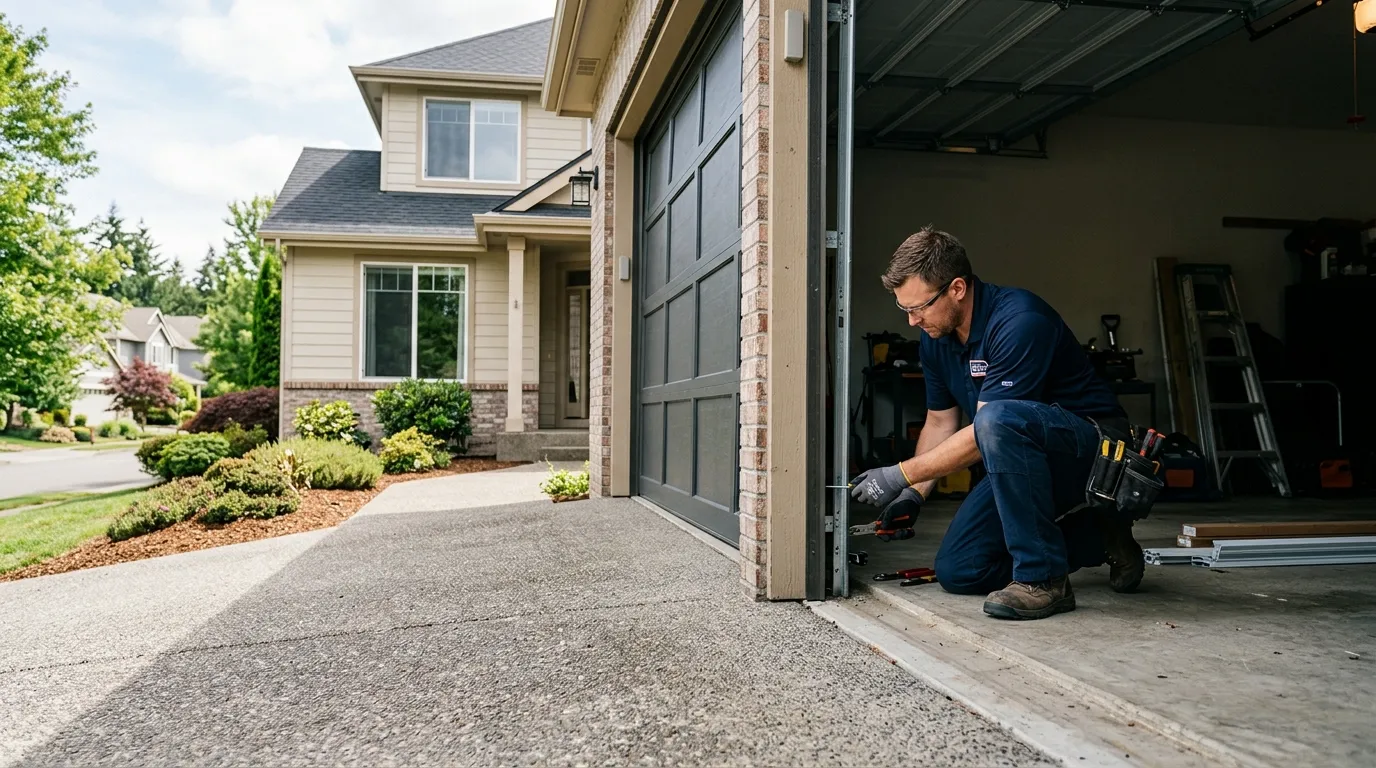
This is a cold-climate town, and cold is what kills garage door hardware. Steel torsion springs lose tension faster when the temperature swings hard through a winter, and older doors - the kind with side-mounted torsion bars rather than the center-mounted setups builders use now - put more load on a smaller spring to begin with. That combination is common on the older streets here and it's the single biggest reason for a dead door on a January morning.
Rollers are the other one. Original steel rollers on a door installed decades ago don't like repeated cold-to-warm cycling; they flat-spot, then bind in the track, then the opener strains against something it can't move and the gear inside strips. By the time a homeowner calls, it's often two problems stacked on each other, not one.
We also see cable fray on doors that have never had the cable replaced since the house was built. Nobody replaces a cable on schedule. It just runs until it doesn't, and on a heavy older wood-composite door that's not a small failure - it's the kind of thing you don't want to be standing under.
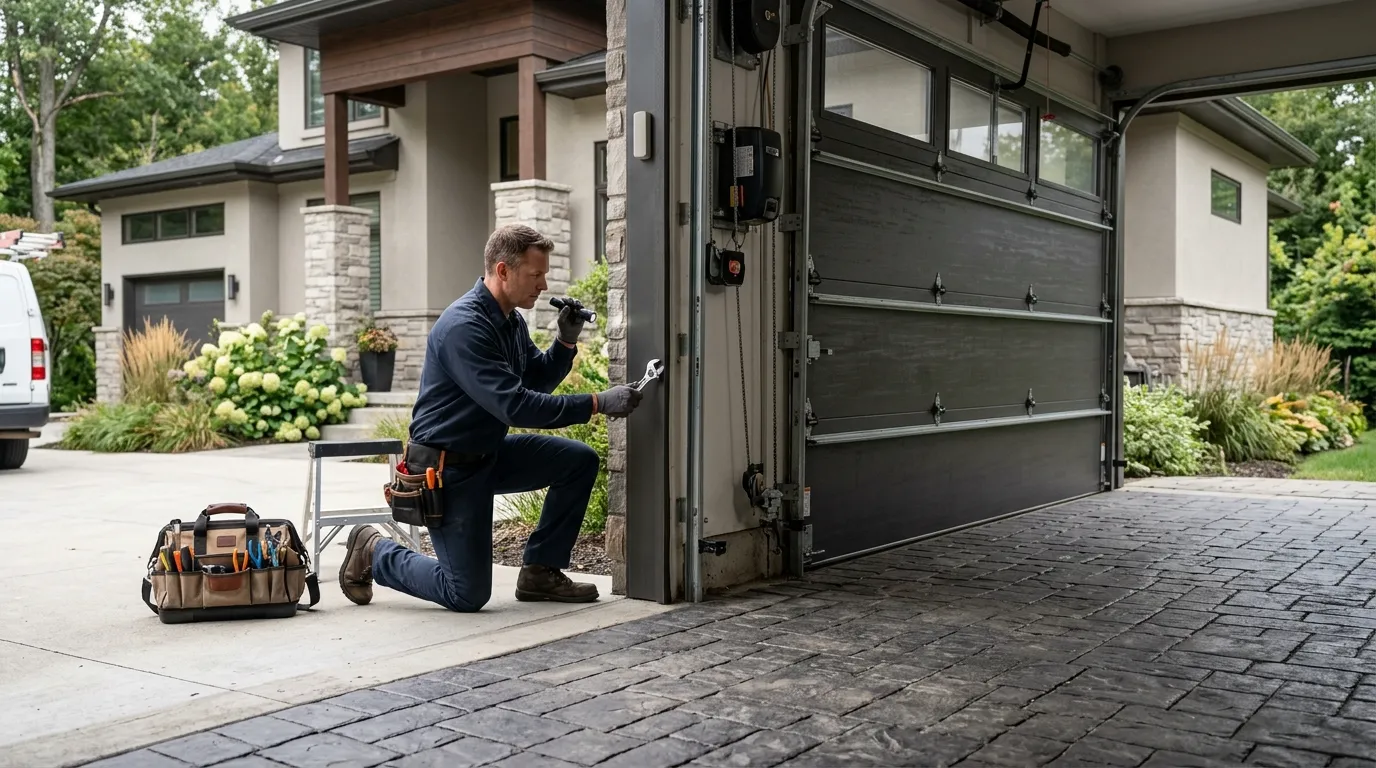
The typical house in this service area went up around 1972, with construction spanning 1938 through 2003 and the heaviest concentration in the 1960s and 70s, spread across 91 named areas we track for parts and sizing. That range matters more than it sounds like it should. A door from a 1960s build often runs on hardware nobody stocks on a shelf anymore - different track width, different spring wind, sometimes a jamb that was never squared to modern standard sizes.
Newer construction in and around Downers Grove, the stuff built closer to the 2003 end of that range, tends to run standard torsion springs on standard track, which means faster repairs and more parts available same-day. Older builds take longer, not because the work is harder, but because the part has to be sourced or built to match, and that's not something we fake with a wrong-size stopgap.
If your door is original to a house from the 60s or 70s, expect us to spend a minute measuring before we quote anything. Guessing on spring wind for a door that age is how you end up back at square one in six months.
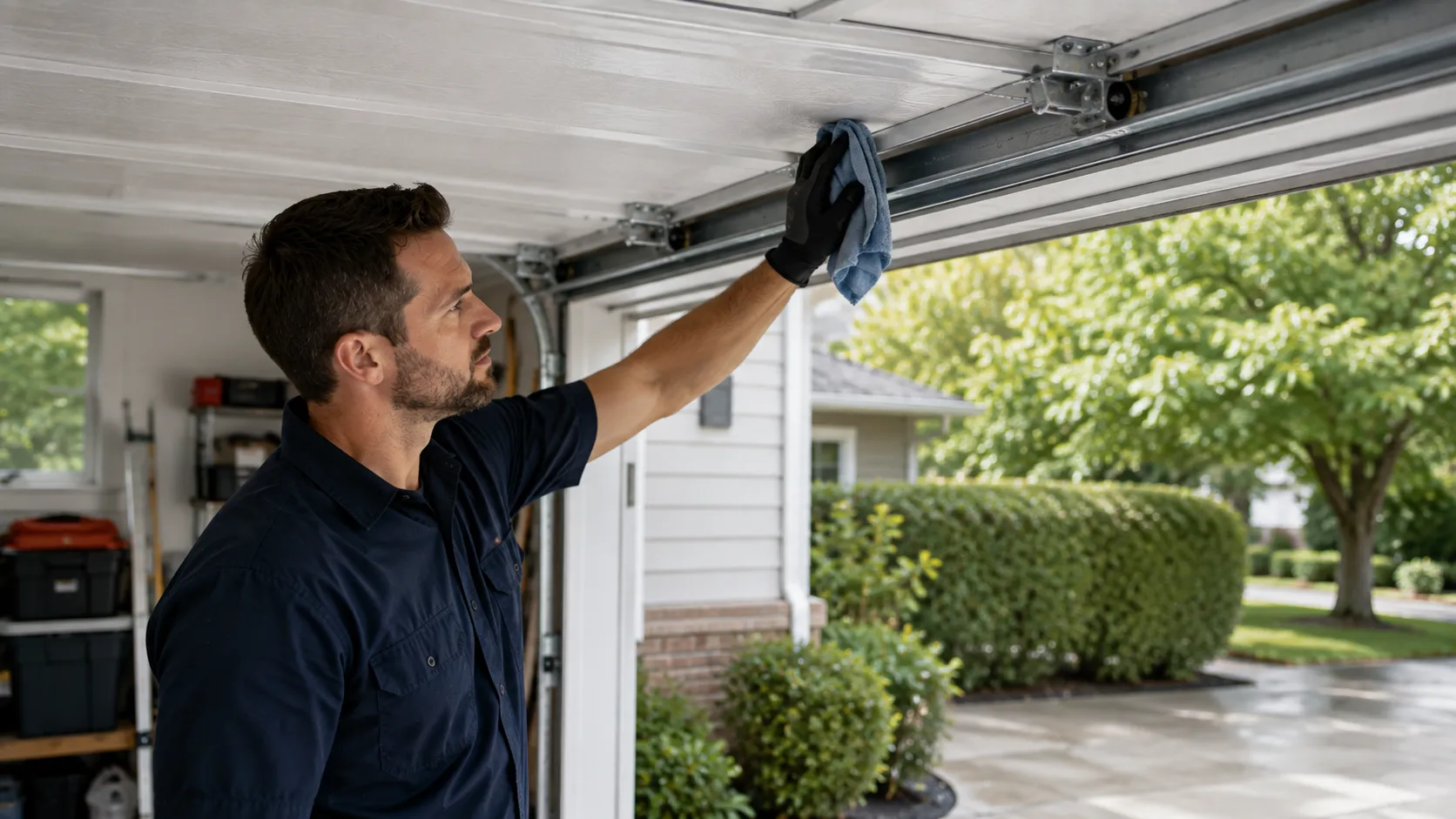
We're based out of Downers Grove and run calls close by first: Westmont is about two miles out, Clarendon Hills and Lisle both around three. Darien, Woodridge, Oak Brook and Willowbrook sit at roughly four miles, with Hinsdale and Oakbrook Terrace a touch further at five, alongside Glen Ellyn.
Further out, we still take calls in Burr Ridge and Western Springs (about six miles), Villa Park (seven), and the eight-mile ring that includes Countryside, La Grange, Westchester, Hillside, Elmhurst, La Grange Park, Willow Springs and Hodgkins. Beyond that we reach Berkeley, Warrenville, Winfield, Glendale Heights, Lemont, Brookfield, McCook and Addison around nine miles, with Broadview at the ten-mile edge of where we go.
If you're not sure whether your address falls inside that range, call and ask. It usually does. We'd rather tell you straight if a job is outside a reasonable drive than take it and show up late.
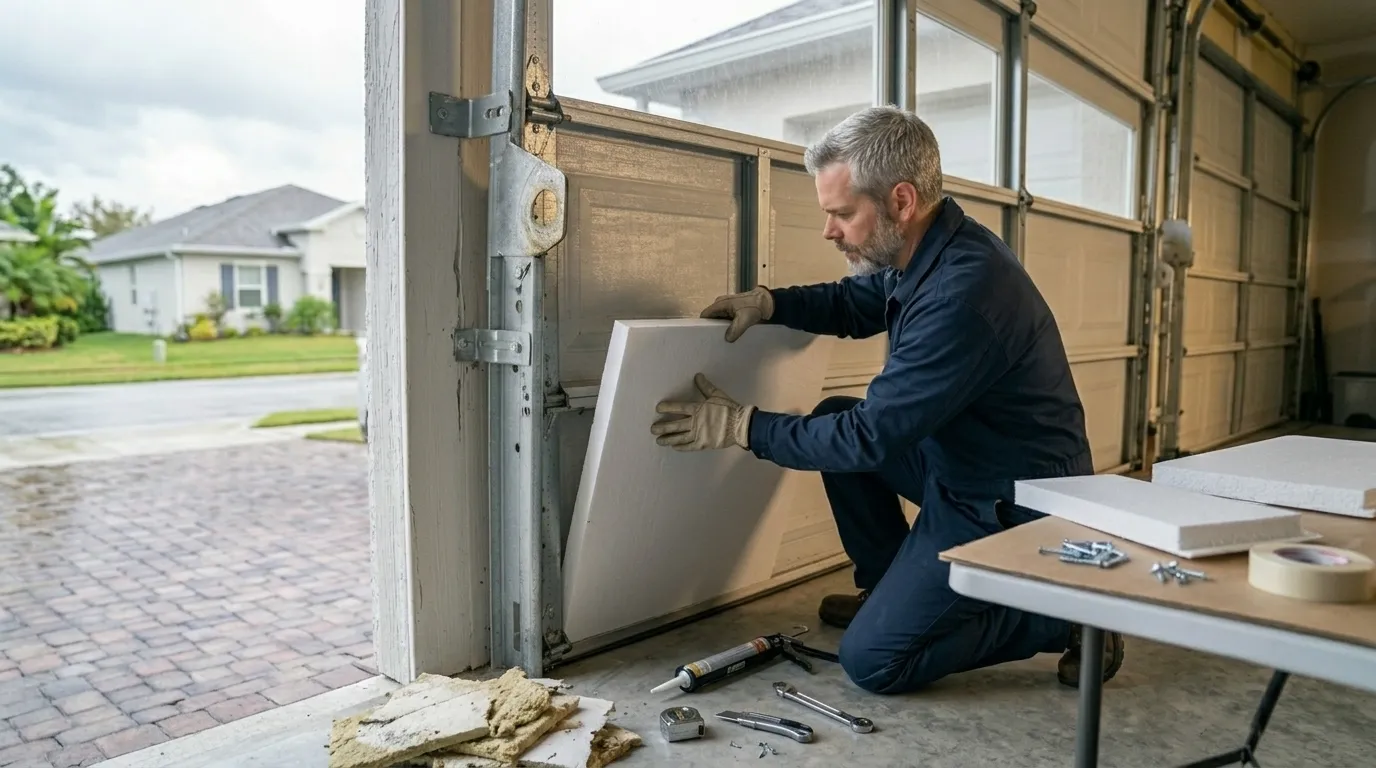
We're not going to put a number on a page that has no idea what's wrong with your door. What we can tell you is what moves the cost: whether the part is standard or has to be matched to an older build, whether it's a spring-only job or a spring plus rollers plus a cable that's about to go too, and whether the opener itself is original equipment or already a replacement.
Across the households we serve, median income runs around $90,408, and most residents own rather than rent - 270,079 owner-occupied houses out of roughly 558,247 households in the wider area. That ownership rate is part of why full replacement gets chosen more often here than in a renter-heavy market: people who own the house for the long haul would rather replace a worn-out door once than keep patching hardware from the 60s and 70s every couple of winters.
Our limitation, stated plainly: if a part has to be special-ordered for an older build, that's a lead time we don't control, and we'll tell you the estimated wait instead of pretending it isn't there.
Good to Know
Torsion springs lose tension faster with hard temperature swings, and older side-mounted setups common on Downers Grove's 1960s and 70s houses put more strain on the spring than newer center-mounted systems. A cold snap is often just the last straw on a spring that was already near the end.
Usually, yes, but it takes measuring first. A lot of hardware from that era runs different track widths and spring winds than what's stocked today, so we confirm sizing before quoting rather than forcing a modern part onto an old frame.
Yes. We run calls out to towns within roughly a ten-mile radius, from Westmont at two miles out to Broadview near the ten-mile edge. If you're unsure whether your address is in range, call and we'll tell you straight.
Depends on the door. If it's a single worn part on an otherwise sound door, repair makes sense. If the track's bent, the hardware's obsolete, and the panel's original to a decades-old build, replacement usually costs less over time than repeated patch jobs.
Call now or request a free quote - same-day service on most repairs, upfront written pricing.